General Maintenance: The Foundation of Reliability
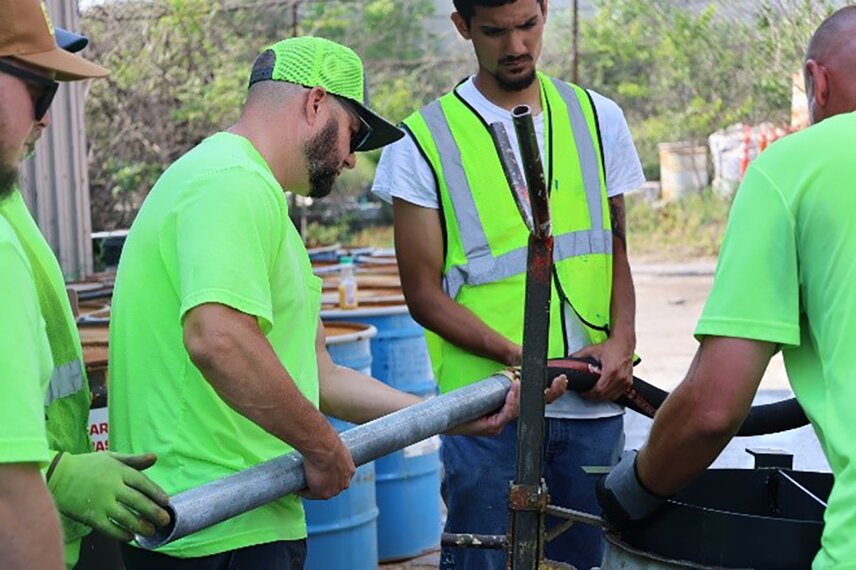
The most critical maintenance task? Thorough cleaning after every use. Paint and thermoplastic materials can quickly build up, clog lines, and damage components if left unattended.
Other key practices include:
- Daily, weekly, and annual inspections to cover oil changes, brakes, filters, and other essential systems
- Greasing and lubricating moving parts to prevent wear
- Seasonal preparation, especially in cold climates — drain systems of paint or materials and fill lines with RV antifreeze to prevent freezing
Cleaning after each use and proper lubrication can extend the life of equipment dramatically. Overlooked components like hose fittings, hydraulic or air lines, and minor valves are often the cause of unexpected downtime — but proactive inspection keeps them in check.
Equipment-Specific Maintenance
Different equipment types have unique maintenance needs. Here’s a look at what operators should focus on:
Key steps for all models
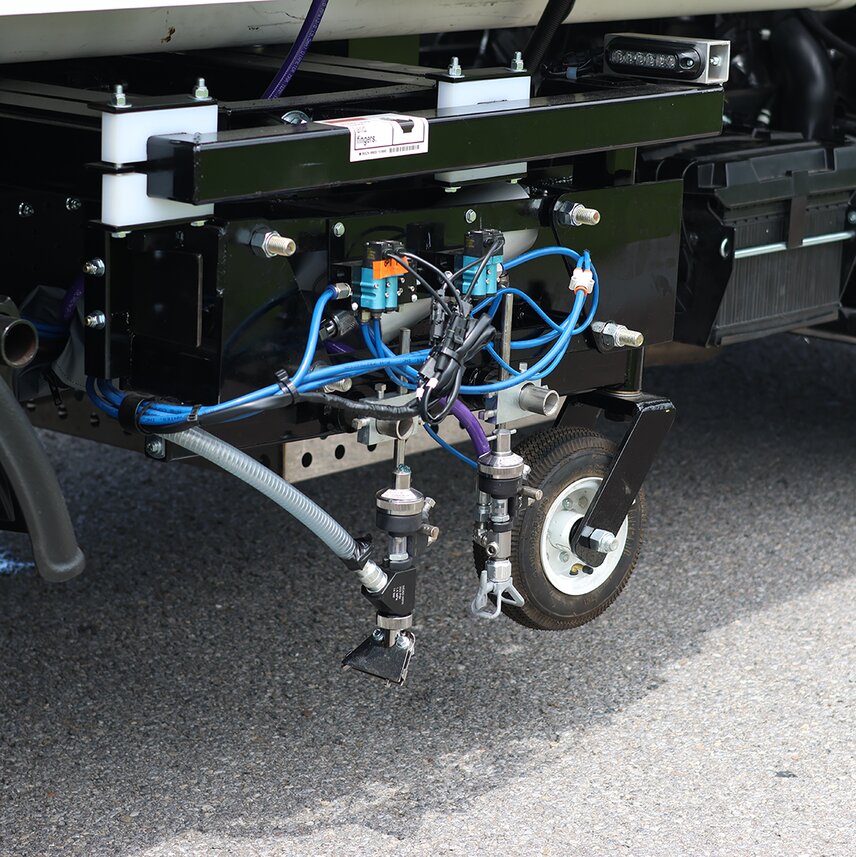
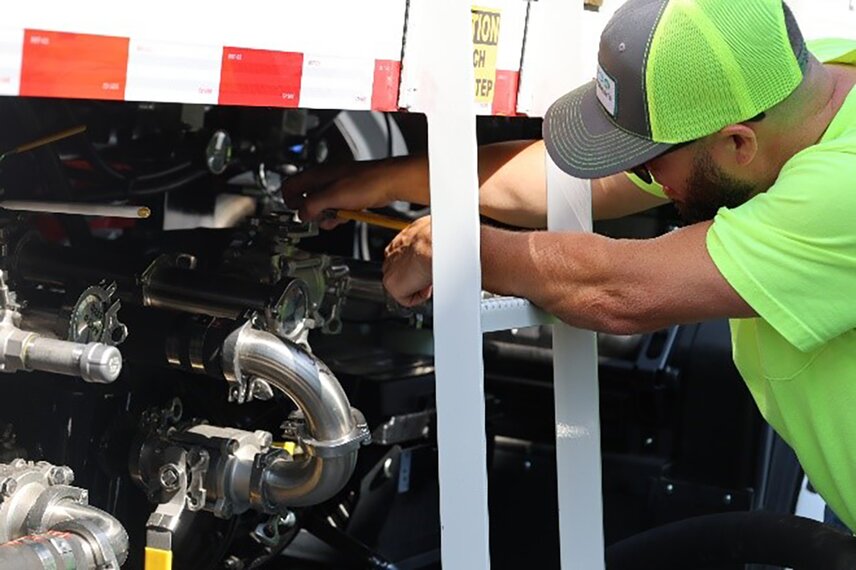
- Inspect hose fittings and lines for leaks
- Check oil levels and other fluid reservoirs
- Identify serviceable vs. replaceable parts: clean and lubricate parts with normal wear; replace if showing excessive damage
- Keep standard consumables on hand: WD-40, carb cleaner, and other cleaners prevent paint buildup
Differences by equipment type
Walk-behind vs. ride-behind models: Daily checks are similar, but ride-behind units may have additional hydraulic systems or larger tanks that require more thorough inspection
Specialty or thermoplastic units: Heating elements and pumps require careful monitoring to prevent failures
Quick daily routines, like checking hoses and running lines with cleaner or antifreeze, can prevent major problems before they occur.
Replacement Parts: Stay Stocked, Stay Ready
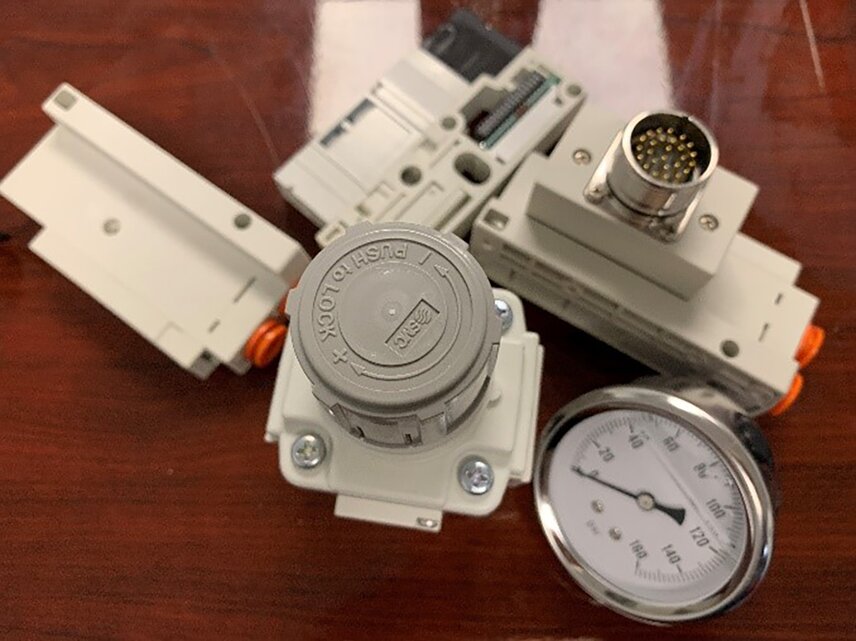
Certain parts wear faster than others. Keep these on hand:
- Hose fittings and hydraulic lines
- Pump seals and valves
- Thermoplastic heating elements and applicator tips
“Hidden” components like minor valves or small mounting hardware can be overlooked but cause significant downtime if they fail mid-job. Upgraded or aftermarket options may improve durability and performance.
Safety first: When replacing pumps, guns, or heating elements, follow manufacturer guidelines to avoid injury or equipment damage.
Troubleshooting & Best Practices
Many maintenance-related problems stem from poor care between use cycles, like leftover material drying in hoses or lines. Operators can take simple steps before calling service:
- Inspect hoses, fittings, and applicators for clogs
- Lubricate moving parts regularly
- Clean tanks and reservoirs after each job
For high-use environments like airports and highways, MB recommends:
- Scheduled preventative maintenance every day, week, and season
- Tracking part wear and replacing components proactively
- Training new operators on cleaning, lubrication, and safety procedures
Lessons from past seasons show that a little daily attention prevents a lot of emergency repairs.
Customer Advantage: Efficiency Through Maintenance
Proper maintenance isn’t just about avoiding breakdowns — it improves efficiency, extends equipment life, and reduces costs.
MB supports customers through:
- Technical support and training for operators and technicians
- Replacement parts programs to keep common wear items in stock
- Guidance on preventative maintenance routines for specific equipment types
Proactive maintenance has repeatedly prevented major repairs and kept crews working without interruption.
Bottom Line
Daily cleaning, routine lubrication, careful inspection, and proactive parts management are the keys to reliable, efficient pavement marking operations.
Whether you’re working with airless sprayers, thermoplastic units, or ride-behind marking machines, MB Pavement provides the tools, parts, and guidance to keep your fleet performing at its best — all season long.