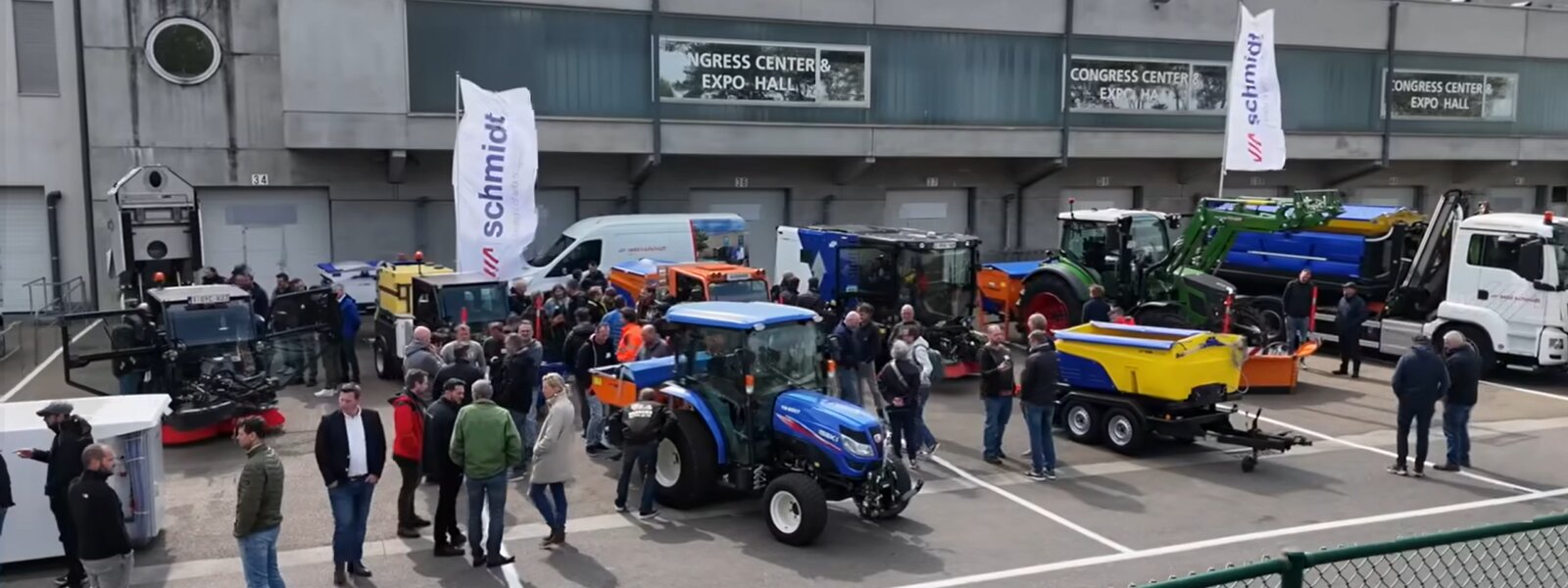
Why Sustainable Maintenance Matters
Cycling is becoming increasingly important as a pillar of sustainable mobility. Cities and regions across Europe are investing heavily in safe and comfortable cycling routes. Equally important as their construction, however, is the sustainable maintenance of this infrastructure.
Effective maintenance reduces wear and tear, extends lifespan, and improves safety for users. It also helps control long-term costs and minimize environmental impact. This raises an important question: how can maintenance be organized in a way that is both efficient and future-proof?
This challenge formed the central theme of the day and set the tone for the discussions that followed.
From Insights to Practical Applications
During the event, participants explored how maintenance strategies can concretely contribute to more sustainable cycling infrastructure. The program combined practical insights with real-world applications, covering topics such as efficient maintenance techniques, lifecycle cost optimization, and the use of sustainable materials in maintenance.
What stood out most was how quickly discussions moved from theory to practice. Experiences from municipalities and ongoing projects helped ground the conversation in reality, making both challenges and opportunities tangible.
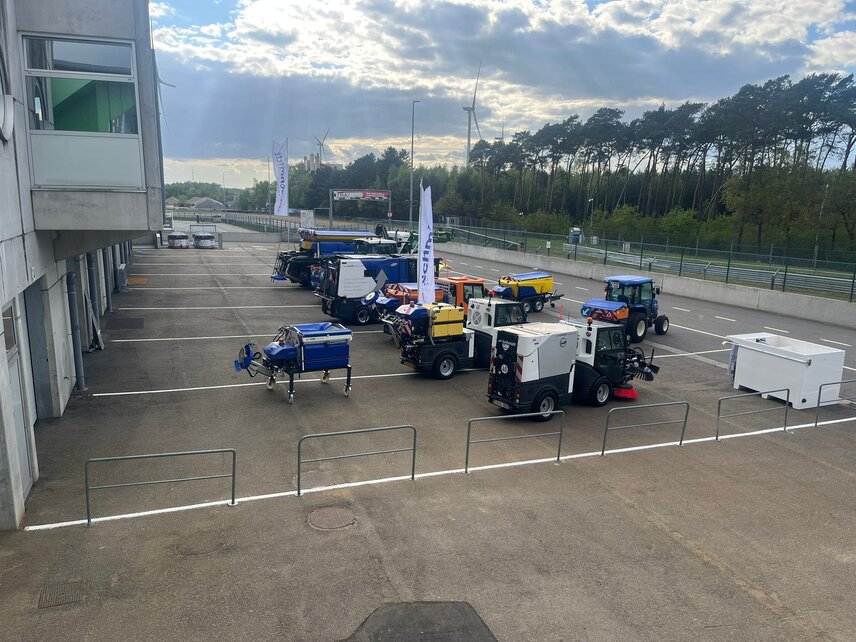
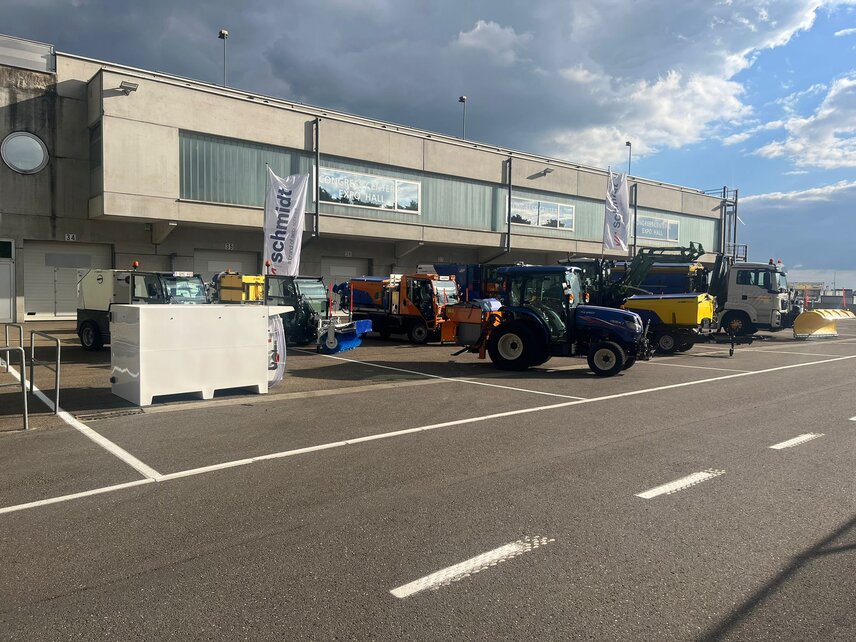
Collaboration Across the Maintenance Chain
A key strength of the event was the diversity of participants. By bringing together stakeholders from execution and maintenance, the day provided multiple perspectives on the day-to-day reality of infrastructure management.
This exchange highlighted that effective maintenance starts with well-informed decisions and an integrated approach. When different stakeholders share their knowledge and experience, it leads to more efficient processes and more sustainable long-term outcomes.
Innovation and Extending Lifespan
Another recurring theme was the pace of innovation in maintenance techniques and equipment. New solutions make it possible to work more efficiently, reduce environmental impact, and extend the lifespan of cycling infrastructure.
At the same time, there was broad consensus that technology alone is not enough. The success of maintenance depends on thoughtful implementation and consistent follow-up in practice. As a result, maintenance is increasingly seen as a strategic pillar in infrastructure management, with a strong focus on long-term performance and cost efficiency.
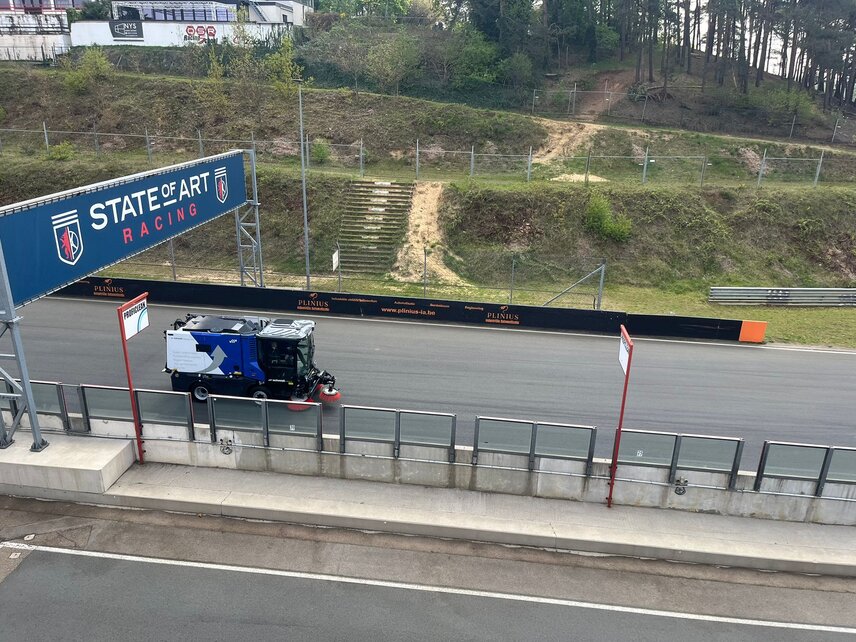
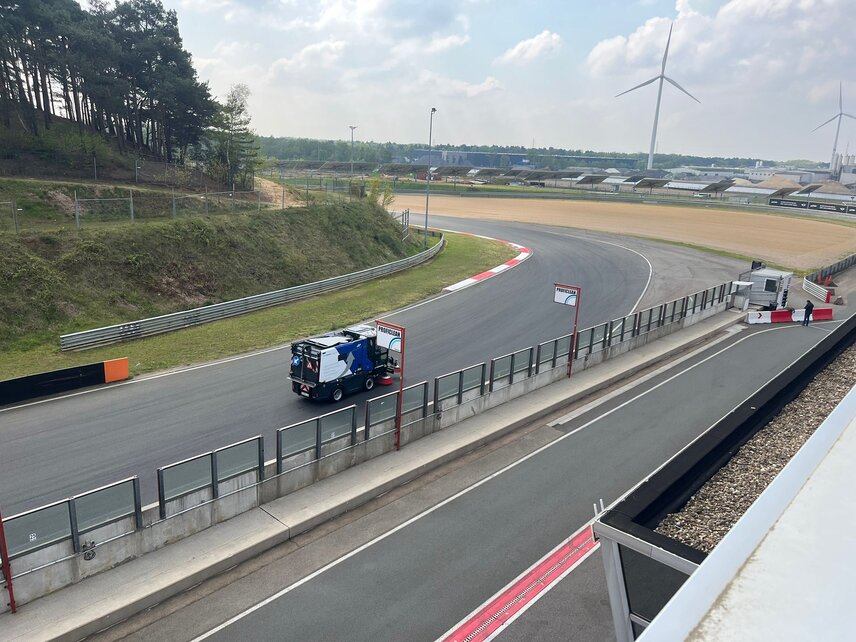
We look back on a valuable and inspiring knowledge day and would like to thank all participants for their active contribution, as well as our dealer Hilaire for the strong collaboration in making this event a success.
Do you have any questions about this event or would you like to learn more about our approach to sustainable maintenance of cycling infrastructure?